
Uttarakhand can be incredible or exhausting if you are planning a trip to the popular tourist destinations in the state. The difference usually comes down to one thing: how well you plan. The mountains don’t work like cities. The weather can turn in a few hours. Roads can slow you down without warning. And distances? They look small on a map, but they take time. Sometimes a lot of it. Here’s where most people go wrong. They plan around their leave dates, not the destination. That’s when things start to slip. Long drives and rushed stops can lead to missed views. You spend more time catching up than actually enjoying the place.
You need to plan better to enjoy a perfect Uttarakhand trip. It includes the process of reaching early, slowing down, and giving yourself time to adjust to the altitude. Instead of ticking off spots, you actually need to experience them. So, planning, in this case, isn’t a limitation. It’s what gives you freedom. When your route makes sense, your stay fits your pace, and your timing works with the terrain, and everything clicks right. Days feel quieter, travel feels lighter, and even busy places are manageable with ease.
Before you look at hotels, routes, or dates, pause for a moment. Ask yourself one simple question: why are you going to Uttarakhand? That answer shapes everything. Where you stay, how long you travel, and what you actually take back from the trip. If your goal is to slow down, keep things easy, and enjoy some peace, then places like Nainital or Mukteshwar work best. You walk more here, sit longer, and leave space in your day. That’s where the real value is.
If you want something more active, you need to change and choose your base accordingly. In this context, you should head to Rishikesh for rafting and bungee jumping. Or plan around Auli if winter sports are the focus. If you are thinking about trekking? That’s a different mindset altogether. Routes like Kedarkantha or the Valley of Flowers need preparation, time, and steady pacing. You can’t squeeze them in between other plans.
And if your trip is spiritual, the rhythm shifts again. Destinations like Kedarnath and Badrinath run on specific seasons and schedules. You have to plan around them, not the other way around. Where most plans fall apart is trying to mix all of this into one trip. Uttarakhand doesn’t reward that. It works best when you’re clear from the start. Just pick one main intent, build around it, and let the rest stay optional.
Timing in the Himalayas isn’t a small detail. It shapes your entire trip experience. The same place can feel completely different depending on when you go. From March to June, Uttarakhand is at its easiest. During this time, the weather is pleasant, and roads are mostly reliable. It’s a good time for relaxed trips to places like Nainital and Mussoorie. But this is also peak season, so you will confront huge crowds and higher prices.
July to September changes the mood completely. In this season, everything turns green, and the hills look fresh and alive. But the monsoon brings its own challenges. As a result of this, landslides, delays, and unpredictable travel are common in these months. This season works better if your plans are flexible, not fixed.
October and November are quieter and clearer. It is the time when the skies open up after the rains and you get to enjoy sharp and uninterrupted mountain views. It’s one of the best times if you care about photography or just want a calmer experience across most regions.
Then comes winter, from December to February. It is a peak time when snow takes over places like Auli and Chopta. It looks beautiful, but it also gets very cold. Due to snow, some routes may be limited or partially blocked. Hence, it would be better if you plan better and pack right to cope with the cold and make your journey comfortable.
So the key is simple. Don’t pick your dates first and adjust everything else later. It is highly recommended that you start with the kind of experience you want, then choose the season that naturally fits it.
Most people treat altitude like a small detail, but when it comes to the mountains, it’s not. In Uttarakhand, elevation affects almost everything. How you feel, how quickly you travel, and how much energy you actually have during the trip all of it is affected by the altitude.
Places below 1,500 metres, like Nainital and Rishikesh, are usually comfortable for most travellers. You can arrive and settle in without much adjustment. But when you move higher above 1500 to 2500 your body starts noticing the change. You may feel slightly tired. Walking uphill can feel heavier than usual. Some people experience mild breathlessness, especially if they gain altitude too fast.
Above 2,500 metres, planning matters a lot more. Places like Auli or routes leading to Kedarnath need proper body adaptation. If you ignore that, even a beautiful trip can become physically draining. One simple change makes a big difference: breaking the journey.
So it would be better to spend a night at a lower altitude first, in places like Haridwar or Rishikesh, before heading higher into the mountains. It gives your body time to adjust naturally, and the rest of the trip feels far easier and more enjoyable because of it.
Uttarakhand looks small on a map, but travel here works differently. When you are in the mountains, distance means very little, but timing is what matters most. A drive that looks short can easily take hours. Roads are winding, traffic builds up in peak season, and weather can affect your movements without any warning. That’s why jam-packed multi-trip itineraries to multiple places won't work as you have planned.
The smarter move is to follow natural travel routes instead of jumping between distant regions. In Kumaon, a smooth and comfortable circuit runs through Nainital, Mukteshwar, and Almora. The journey feels gradual, with lakes, forests, and quieter mountain views along the way. In Garhwal, combining Rishikesh, Mussoorie, and Dhanaulti is the best way to plan a perfect trip. It’s an easier route to manage and gives you a good mix of scenery and accessibility.
Spiritual travel works on a much larger scale. The Char Dham route covers Yamunotri, Gangotri, Kedarnath, and Badrinath. This is another circuit that allows you a full variety of natural beauty of mountains, rivers, treks, and altitudes. But Char Dham will need far more time, patience, and planning.
The mistake most people make is trying to fit too much into one trip. Uttarakhand feels better when you slow the route down. Hence it is highly recommended that you focus on one region at a time. You should spend less time in transit, and more time actually experiencing the mountains around you. This is the best way to choose the best route for your trip.
The way you travel through Uttarakhand affects more than just your budget. It changes how comfortable, flexible, and tiring the journey feels. If you are driving on your own, then you have complete freedom. You can stop wherever you want, take detours, and explore at your own pace. But roads in the mountain are tiring as you come across sharp bends, narrow stretches and long drives. You need focus and confidence to navigate through the challenging paths.
If you do not want to get tired then hiring a private cab and an experience driving with the local road is the easier option. This way you don’t have to worry about directions, traffic, or driving fatigue. Local drivers know the mountain roads well, which makes the trip feel smoother and safer.
Then comes the backpacking. It is one of the most budget-friendly choices. It usually means travelling by shared jeeps and local buses. You save money, but you also need more patience and flexibility since schedules can change without much notice. In the end, the best option depends on what matters most to you. Whether you want freedom, comfort, or budget. Your travel style plays a key role in deciding your journey.
Where you stay in Uttarakhand shapes the entire trip. It’s not just about the room price. Location, views, and surroundings plays a key role in how the place feels.
In Nainital, a lake-facing stay makes a big difference. You’re not just visiting the lake for a few hours, it becomes part of your everyday view and routine.
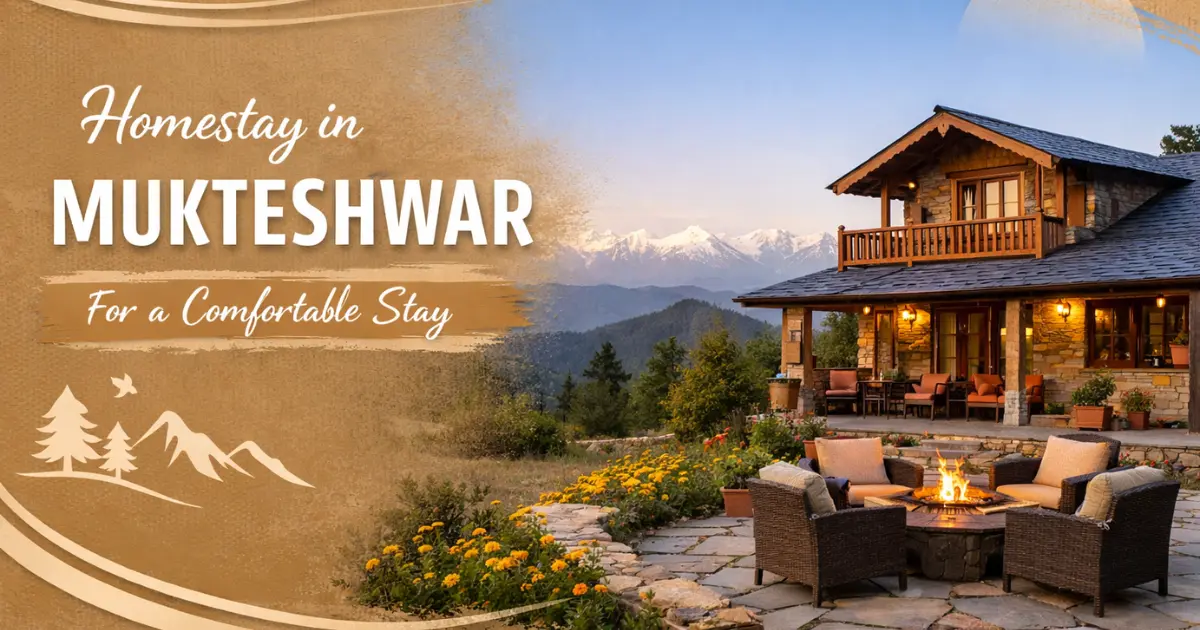
Homestays in Mukteshwar at a premium location offering breathtaking mountain views, valleys, forests and meadows feel more personal and peaceful. These accommodations make the landscape part of the experience, not just the background.
So you need to look beyond pricing and consider location, views, and accessibility in the first place. A stay that is too crowded can feel chaotic, while one that is too remote may become inconvenient. So choosing a place that strikes the right balance is highly recommended. Make sure you’re close enough to explore easily, yet far enough to enjoy the quiet that Uttarakhand is known for.
The biggest travel mistake people make is trying to do too much in too little time. A packed itinerary may look exciting on paper, but when you are in the mountains, it often means spending most of the trip inside a car. All the time, you just keep traveling from one place to another to reach the destination. By the time you reach the place, you feel extremely tired.
A slower 5–6 day plan usually works much better. You need to keep the first day easy, especially after a long drive from the plains. Use it to settle in and rest. Spend the next couple of days exploring your main destination without rushing from one place to another. Around the fourth day, you can plan a short nearby excursion if you feel up for it. And before heading back, leave the final day light and relaxed.
This kind of itinerary works because it leaves room for flexibility. Mountain travel is unpredictable. Weather changes quickly, traffic builds up, and road delays happen all the time. A little buffer time keeps small problems from ruining the entire trip. You will realize that the best trips usually aren’t the busiest ones. They’re the ones where you actually get time to slow down and enjoy where you are.
Mountain weather in Uttarakhand changes quickly, which is why packing smart matters more than overpacking. A sunny morning can feel surprisingly cold by evening, even during summer. The easiest way to handle this is by layering. You must carry clothes you can put on or take off easily during the day instead of packing heavy winter wear. It keeps your bag lighter and makes the weather easier to manage.
Good walking shoes matter too. Most hill destinations involve uneven paths, slopes, short hikes, or long walks. Regular city footwear usually doesn’t feel comfortable for long. Along with this, you should also carry a few basic medicines for headaches, motion sickness, or mild altitude discomfort. In smaller mountain towns, medical stores may not always be nearby.
And don’t forget a power bank. Power cuts are fairly common in quieter hill areas, and keeping your phone charged helps with maps, bookings, and emergency calls when needed. Packing well doesn’t make the trip luxurious. It simply makes it smoother, easier, and far less stressful.
Mountain weather in Uttarakhand changes quickly, which is why packing smart matters more than overpacking. A sunny morning can feel surprisingly cold by evening, even during summer.
The easiest way to handle this is by layering. Carry clothes you can put on or take off easily during the day instead of packing heavy winter wear. It keeps your bag lighter and makes the weather easier to manage.
Good walking shoes matter too. Most hill destinations involve uneven paths, slopes, short hikes, or long walks. Regular city footwear usually doesn’t feel comfortable for long. It’s also smart to carry a few basic medicines for headaches, motion sickness, or mild altitude discomfort. In smaller mountain towns, medical stores may not always be nearby.
And don’t forget a power bank. Power cuts are fairly common in quieter hill areas, and keeping your phone charged helps with maps, bookings, and emergency calls when needed. Packing well doesn’t make the trip luxurious. It simply makes it smoother, easier, and far less stressful.
Uttarakhand is best enjoyed slowly. The mountains have their own pace, and rushing through them usually takes away from the experience itself. The trips people remember most are rarely the busiest ones. They’re the ones with unplanned moments, a quiet morning view, a long chai break on a mountain road, or simply sitting still for a while without checking the clock. It helps to stay organised, but don’t plan every hour too tightly. Weather can change quickly, roads may slow you down, and sometimes a place simply makes you want to stay longer than expected. That balance between planning and flexibility is what makes a mountain trip feel relaxed, memorable, and genuinely worth it.