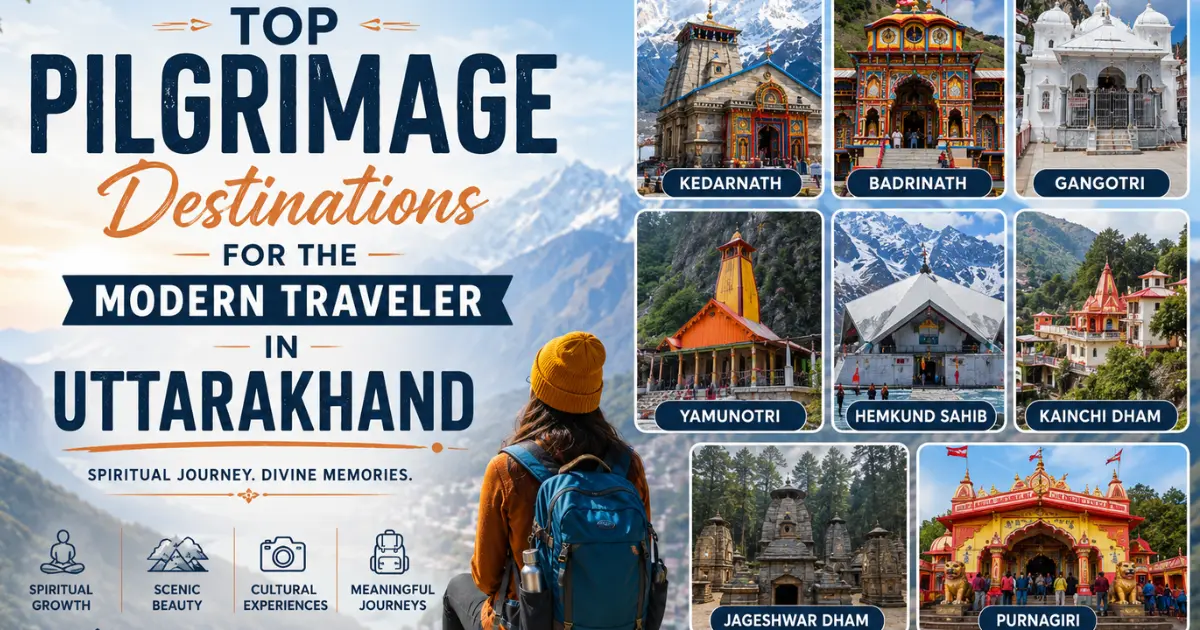
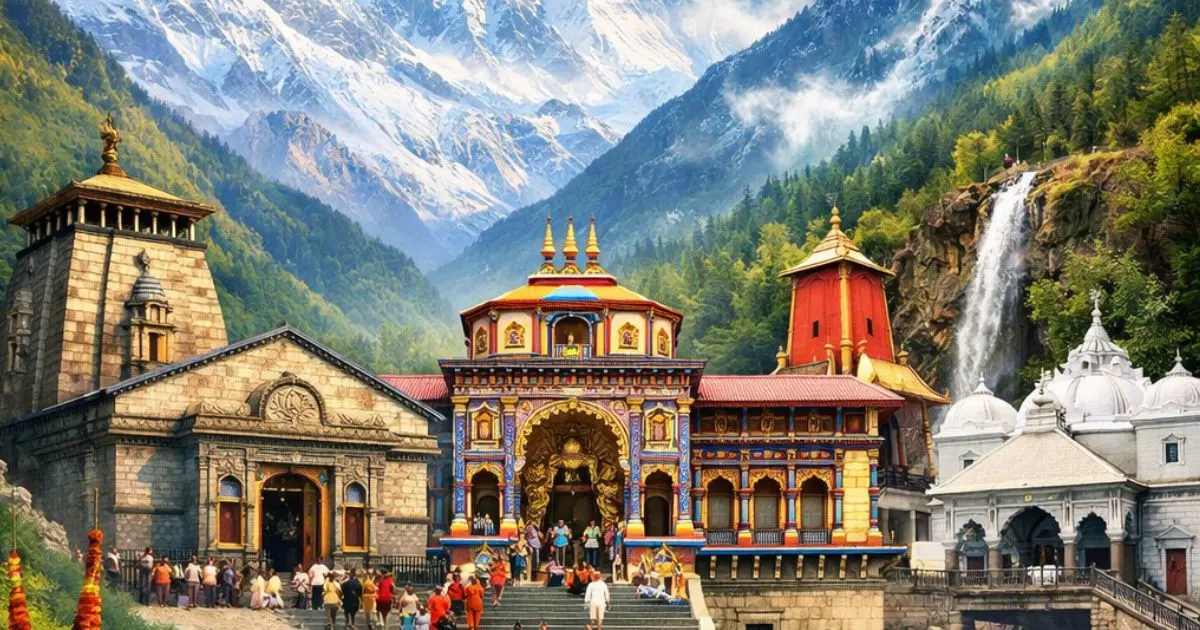
Uttarakhand pilgrimage tour is a sacred journey millions of Hindus pilgrims take to the Himalayan sacred temples, which are famously known as the Char Dham. This sacred journey includes visiting four spiritual spots that include Yamunotri, Gangotri, Kedarnath, and Badrinath. If this journey is on your mind, chances are you are not just looking for views. You are looking for meaning, gratitude, or closure.
If you are taking the pilgrimage tour of Char Dham and other spiritual spots in Uttarakhand for the first time, then it can prove to be a test of faith, patience, and physical strength. The roads climb high. The air grows thin. Comfort fades. What remains is intention. You have to be prepared for this journey both physically and mentally.
Those who arrive unprepared often struggle with the challenges of high altitude, unpredictable weather, and long travel hours. If you understand what this journey needs, you can complete it hassle-free. This write-up provides you with a detailed account of the Uttarakhand pilgrimage tour of Char Dham and other spiritual places in the region, so that you can complete your journey with peace and comfort. It provides you with a complete roadmap to fulfil your Char Dham Yatra successfully.
The Char Dham Yatra is a Hindu pilgrimage circuit covering Yamunotri, Gangotri, Kedarnath, and Badrinath in the Garhwal Himalayas. Traditionally, pilgrims start from Yamunotri and end at Badrinath, moving from west to east. The purpose of this journey is the belief that says if you complete this circuit, it cleanses your past karma and opens the path toward moksha, or liberation. So people undertake this pilgrimage to wash away their past sins, achieve liberation, and experience a spiritual rejuvenation.
But belief alone does not carry you up the mountain. You need to be patient and calm during your journey. The order matters. It prepares you, physically and mentally, for what lies ahead. Rushing through it won't work for you. It needs respect and a slow pace that reflects a surrender of control. The journey is like a test of faith, endurance, and devotion that you need to take through some of the most breathtaking and treacherous terrain in the Himalayan region. It includes four sacred shrines that are as follows:
Yamunotri sits at an elevation of 3,292 meters in the western Garhwal Himalayas. This temple marks the source of the Yamuna River, one of India's holiest rivers. During this phase of the yatra, the pilgrims trek about 6 kilometers from Janki Chatti to reach the temple. There are steep climbs, narrow paths, and unpredictable mountain weather in the way.
After crossing all these hurdles, devotees arrive at the temple complex where they take a bath in the thermal springs at Surya Kund. According to Hindu belief, the Yamuna River holds purifying power, so pilgrims take a bath to cleanse themselves before offering their prayers. This ritual holds a deep significance as it is believed to protect from untimely death.
Gangotri temple is another important shrine that is nestled at the 3,100 meters and marks the spot where the Ganges River. It is one of the most sacred rivers in Hinduism and is believed to descend on earth directly from heaven. Gangotri is located along the Bhagirathi River and it is accessible by road. Pilgrims collect the holy water of bhagirathi river in copper vessels and carry it with them to their homes.
According to the legends, King Bhagirath performed intense penance to bring Ganga to the earth to purify the earth and the souls of his ancestors. But the force of Gange was intense, so it is Lord Shiva who caught her in his matted locks and put her down gently via himalaya mountains.
Then comes Kedarnath, dedicated to Lord Shiva. It sits at 3,583 meters, and it is the most physically demanding. The temple Kedarnath holds immense spiritual weight in the Char Dham pilgrimage. Devotees trek a 16-kilometer trek from Gaurikund through steep mountain paths that are physically demanding. Those who are prone to altitude sickness, unpredictable weather, and difficult terrain often find it difficult to move through.
The Kedarnath temple is an ancient stone structure. According to mythology, after the Kurukshetra war in the Mahabharata epic, the Pandava brothers sought Lord Shiva's blessings to absolve themselves of the sin of killing their relatives. Shiva, avoiding them, took the form of a bull and dived into the ground at Kedarnath. Only his hump remained visible, which is what devotees worship at this temple.
Badrinath is dedicated to Lord Vishnu and is the last of the holy shrines in the Char Dham pilgrimage tour in Uttarakhand. The temple is perched at 3,300 meters in the Chamoli district between Nar and Narayan mountain ranges along the banks of the Alaknanda river. Near the temple, a natural hot water spring flows at the tapt kund. It is believed to have natural medicinal and purifying properties. Pilgrims bathe in this Kund and offer their prayers in the shrine.
The best time to plan uttarakhand pilgrimage tourism of Char Dham and other spiritual spots is between May and June, and then September to early October. The temples close during winter due to heavy snowfall. Temple committees announce the opening dates for the pilgrims.
May and June are crowded. Schools are closed, and families travel together. If you want fewer crowds and clearer skies, September is better. Post-monsoon views are sharper. The mountains feel washed and alive.
July and August are the monsoon season. This is not the ideal season to visit the place. Landslides are real this season. You can experience roadblocks and other risks due to the winter season. So, timing is everything. If you are planning a peaceful and convenient Char Dham yatra, then you must keep all the seasonal and weather elements in view.
Once you are in Uttarakhand, limiting yourself to only four temples is a mistake. The region is full of spiritual energy at every step. Rishikesh is where most journeys begin. The evening Ganga Aarti at Triveni Ghat centers the mind before you head uphill. Many pilgrims spend a day here to adjust. Haridwar offers the powerful Ganga Aarti at Har Ki Pauri. It is crowded, yes. But it reminds you that faith here is alive, not quiet.
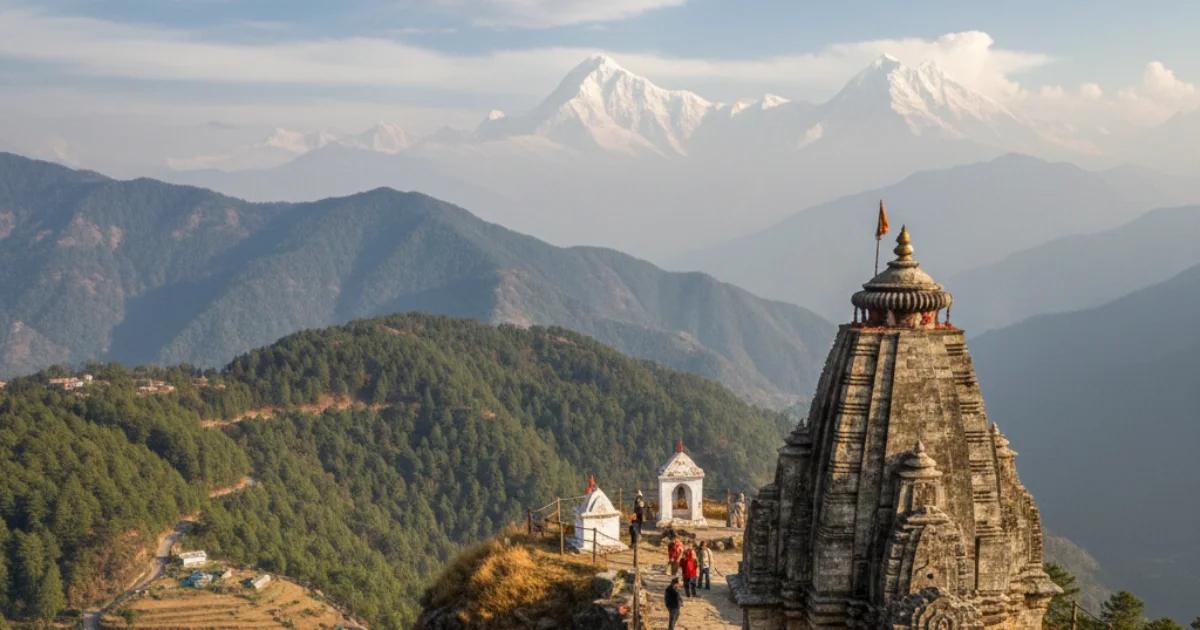
For Shiva devotees, Tungnath is special. It is the highest Shiva temple in the world and part of the Panch Kedar circuit. The trek is short but steep. Sunrise from Chandrashila above it is unforgettable.
Serious seekers often explore Hemkund Sahib, a high-altitude Sikh shrine. The climb is demanding, but the glacial lake beside it feels like another world. Each of these places adds depth. Char Dham is the backbone. These spots are the soul.
It is moderately to highly demanding, especially Kedarnath and Yamunotri. Do not let smooth Instagram reels mislead you. You may come across various challenges and difficulties during the journey.
Altitude sickness is real above 3,000 meters. Symptoms include headaches, nausea, and fatigue. In my experience, those who rush suffer more. Adaptation matters. Spent a night in Guptkashi before Kedarnath. Walk slowly. Drink water even if you don’t feel thirsty.
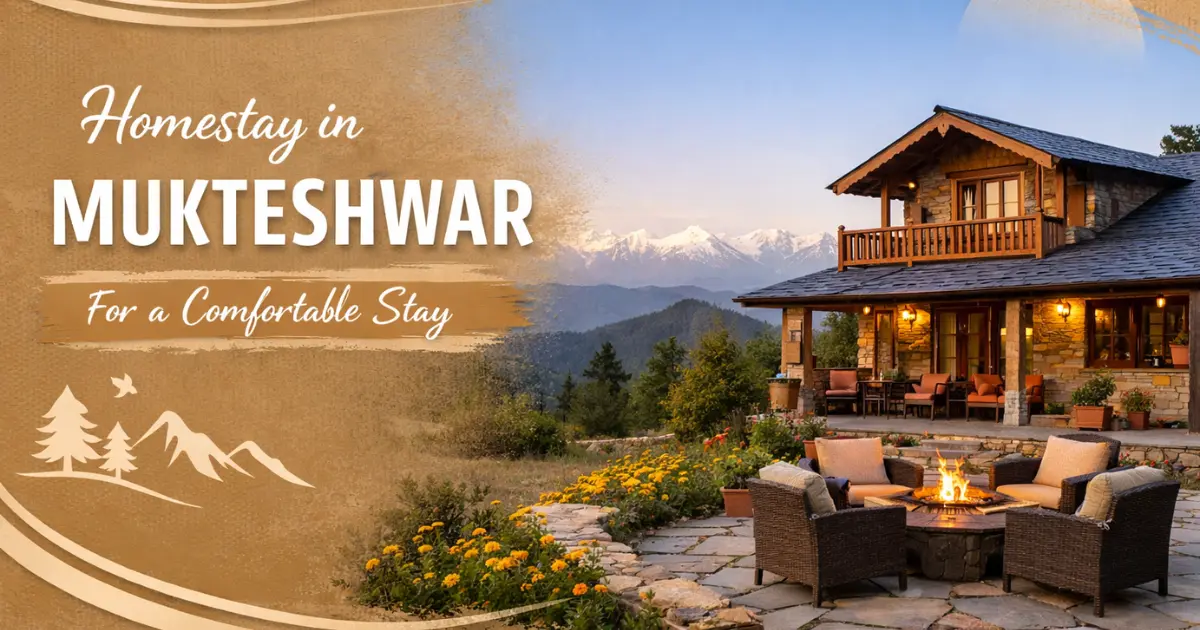
Helicopter services operate from Phata and other bases. They help elderly pilgrims, but weather cancellations are common. Always keep buffer days. Luxury homestays in Uttarakhand are easily available, where you can lounge, spend quality time, and recharge for your pilgrimage. Fitness is preparation. Faith is strength. You need both.
Registration is mandatory. The Uttarakhand government provides online registration through its official portal managed by the tourism department. Carry ID proof. Biometric checks happen at entry points.
Book your homestay in Uttarakhand early, especially in peak months. You can easily book a guesthouse, cottages, and villas for your stay during the trip. From luxury homestays to premium comfort, every type of accommodation is available for your stay. Travel insurance is wise. Mountain travel is unpredictable. That is not fear. That is realism.
Infrastructure is improving. The Char Dham all-weather road project aims to improve connectivity. Helicopter routes are expanding. Digital tracking has reduced chaos.
But here's an honest view: easier access changes the spirit of pilgrimage. When hardship reduces, reflection often reduces too. Convenience is good, but intention must stay strong.
If you are planning this journey, do not rush it. Build physical stamina two months in advance. Travel light. Keep one spare day in your schedule. And spend one quiet hour by the river without your phone. That is where the real pilgrimage begins.
Book at least 6–8 weeks in advance if you plan to travel in May or June. These are peak months, and homestays in Uttrakhand specially in Kedarnath, Badrinath, and Guptkashi, fill up quickly. Early booking gives you better altitude breaks and safer pacing.
Avoid July and early August due to landslide risks. September is the best month. After the monsoon skies are clearer, and the crowd is less. The routes to Kedarnath and Badrinath feel calmer. You also get better mountain views. May and June are safe but crowded. If you prefer reflection over rush, September works better.
It depends on your comfort level and intention. Local homestays and cottages are easily available in the region. Luxury hotels are limited to higher zones. But luxury homestays are easy to find. Also, homestays offer comfort, warmth, and home-style food, where you can rest and get ready for your next destination with full energy. Homestays help pilgrims adjust better to the altitude. You can get cleanliness and essential amenities in the proximity.
Plan for 10–12 days minimum if traveling by road. Weather delays are common. Roads close temporarily. Additionally, keep one buffer day to adjust to your travel delays.
Yes, registration is mandatory for all pilgrims. Complete it before arrival. Keep a printed and digital copy. This saves time and avoids stress at entry gates.
Pack light but smart. You must carry:
Yes, if you book your accommodation at a trusted platform and speak to hosts directly, homestays are safe for families and elderly travelers. Make sure to book your homestay near the destination to enjoy a seamless stay experience in Uttarakhand. Choose a place to stay that offers the following: