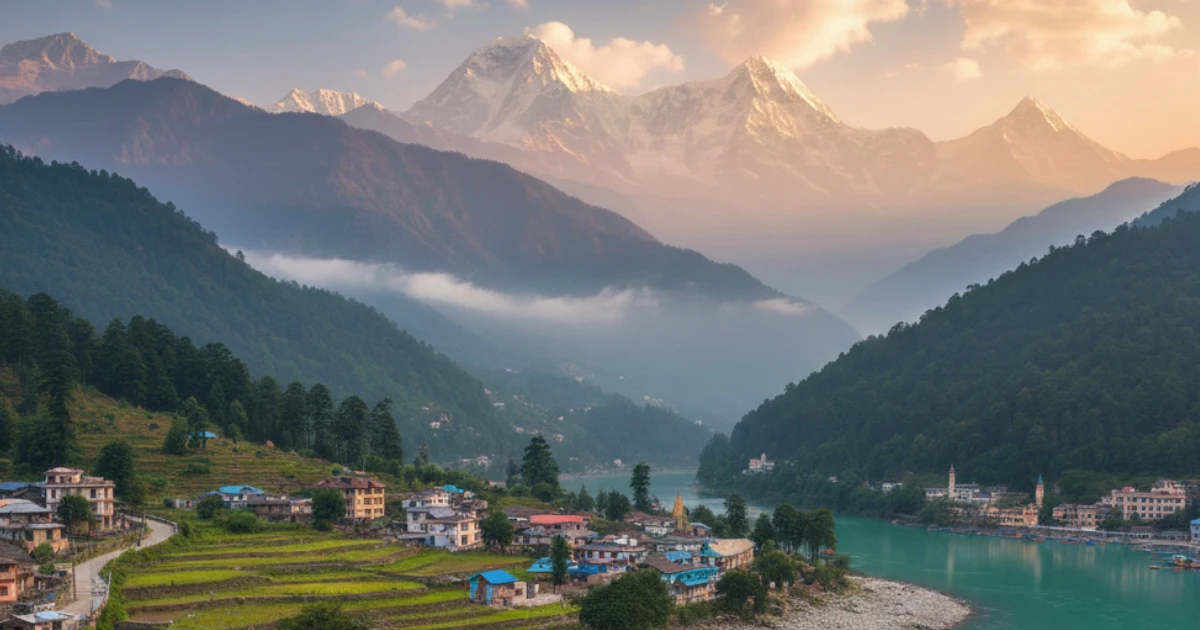
Uttarakhand is a treasure trove for nature lovers, jam-packed with mountains, scenic landscapes, valleys, and dense forests. If you’re planning a visit in 2026, it helps to understand this early: Uttarakhand doesn’t respond well to hurry. It isn’t something you move through efficiently or break into neat parts. It’s a living landscape, shaped by light, weather, and time. A road that feels welcoming at dawn can feel strained by noon. A place that seems quiet one day may feel closed the next. Nothing here is fixed for long. Things depend on when you arrive, how long you stay, and what you’re willing to leave out.
The ten places that follow aren’t the “best” because they offer the most to see. They’re here because they still respond to how you arrive. Some work only early in the day. Others make sense after a long drive or a night spent doing very little. A few feel unimpressive if rushed and quietly complete if you stay longer than planned. This write-up provides you with the list of the ten best places to visit in Uttarakhand, but before that, you need to know that we need a different kind of list.
Most “Top 10” lists try to solve Uttarakhand by coverage. This one doesn’t. The places ahead aren’t chosen because they are famous, trending, or easy to consume. They are here because they still hold their shape, through crowd cycles, changing seasons, and years of attention. These aren’t stops to be ticked off. Some places reward restraint. Places where light, fog, crowds, and silence do as much shaping as geography. Keeping these aspects in view, here is a curated list of the top ten places where you don't move quickly, but let them settle you.
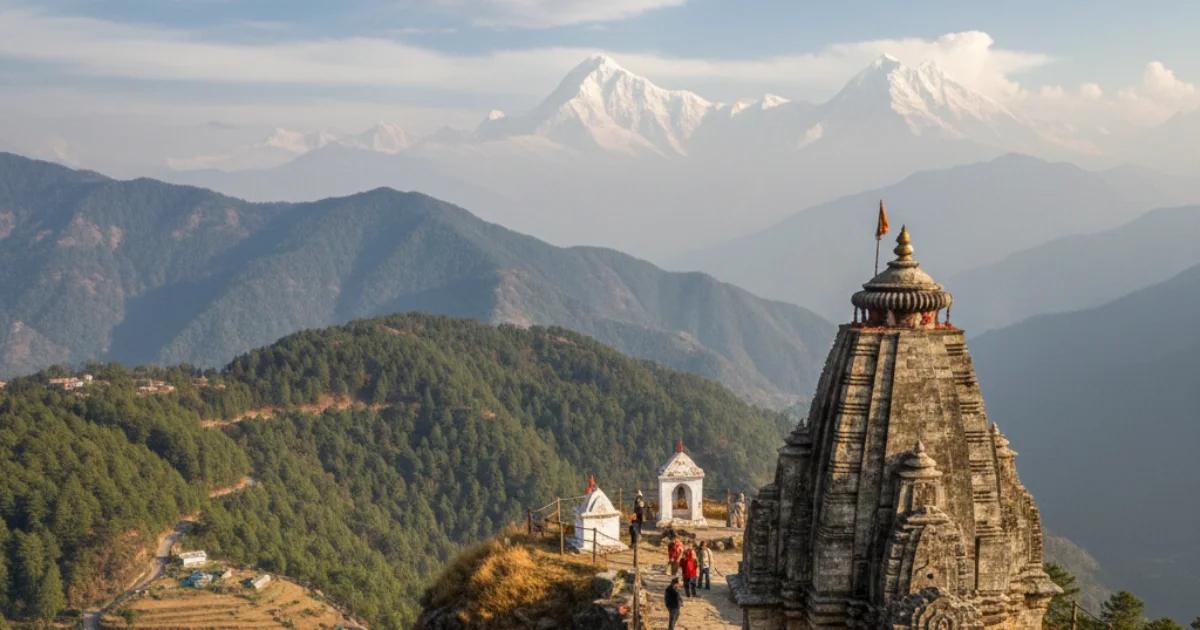
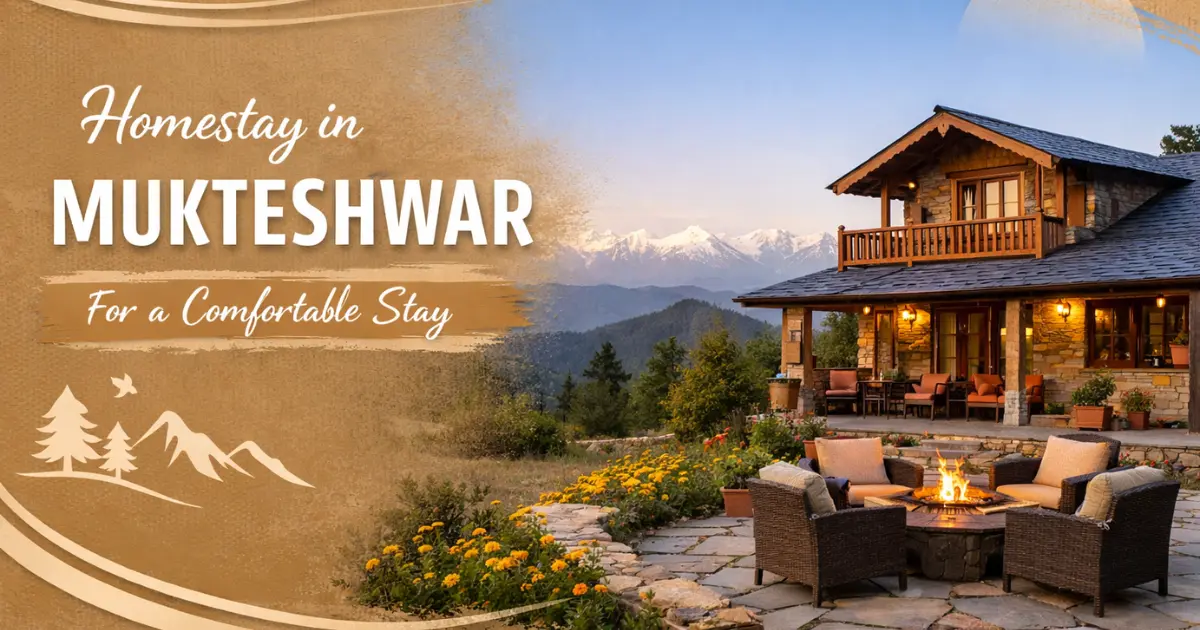
Mukteshwar sits high above the Kumaon hills, wrapped in forest and open sky. At over 2,200 meters, the air thins just enough to feel clean without feeling sharp. Oak and pine trees line narrow roads, orchards spill down gentle slopes, and on clear mornings the horizon opens to long views of the Himalayas, Nanda Devi, Trishul, and Panchachuli appearing in pale layers of light. It’s the kind of place people come to for space, quiet, and the promise of mountains without the weight of a crowded town.
There are familiar reasons travelers stop here. A cliff edge where the valley drops away suddenly. An old temple that draws both pilgrims and the simply curious. Forest paths that feel made for walking rather than reaching somewhere. Rock faces that attract climbers, and skies that stay dark enough for stars to feel close. None of this is hidden. Mukteshwar has never been secret.
Early mornings carry a different weight. Fog moves slowly through the trees, lifting just enough at times to let the peaks show themselves before settling back in. Sound travels farther. Even familiar viewpoints feel private. By midday, the mood shifts. The quiet things. Walks here work best without a plan. Orchard trails, forest edges, stretches where birds move before people do. Even places like Chauli ki Jali feel shaped by the hour, still and watchful early on, restless once the day fills up.
Mukteshwar doesn’t resist visitors, but it doesn’t adjust itself for them either. It earns its place on this list because it still asks something of you before giving anything back. Stay long enough to learn its rhythm. Leave before you start forcing meaning.
Munsiyari lies in the Pithoragarh district of Uttarakhand, near the Johar Valley at the foot of the Panchachuli peaks. It’s a small town known for its open valley views, trekking access to high-altitude villages, and proximity to snowfields and alpine meadows. The road is long and narrow, following the river before climbing steadily into open valley country. Villages thin out. Shops become occasional. By the time you arrive, the scale of the landscape has already shifted. The Panchachuli peaks rise directly ahead, not as a backdrop but as a presence that stays with you through the day.
People come to Munsiyari for its openness. Long views across the valley. Snow fields that hold their shape well into the warmer months. Trails that lead deeper into the Johar Valley are used as much by locals as by trekkers. There are viewpoints, of course, and short walks that don’t demand preparation. But even standing still here feels different. The air is sharper. The silence stretches.
Distance from crowded hill towns. From quick stops. From the idea that travel should move fast. The town itself runs at a measured pace. Mornings start late. Afternoons settle in without urgency. Weather decides more than schedules ever will.
This is not a place that reveals itself in a day. Clouds arrive without warning. Peaks disappear and return on their own terms. Some evenings feel vast and open; others close in early. If you stay long enough, you begin to stop watching the mountains and start noticing smaller shifts, the light on the valley floor, the way roads empty out by dusk, the quiet confidence of a place that isn’t trying to hold your attention.
Chopta is a high-altitude hill hamlet in the Rudraprayag district, often called the “mini-Tibet” of Uttarakhand. It rests high on an open saddle of land, where forest thins out, and the sky begins to take over. It is loved for its short trails that lead upward, crossing grassland and forest, opening into wide views that don’t need elevation charts to feel earned. Temples and meadows sit quietly in the landscape, present but not insistent. Nothing here competes for attention.
Chopta is a starting point for walks, for treks, for a closer look at the mountains. People come here for a reason that’s easy to explain but harder to capture. The approach winds through dense stretches of oak and rhododendron, the road narrowing as altitude rises. In spring, the hillsides carry muted color. In colder months, the air sharpens, and the landscape feels pared down to essentials. On clear days, the surrounding peaks sit close enough to feel watchful rather than distant.
The place holds its shape best in the early hours. Before footsteps multiply. Before voices carry too far. Mornings feel suspended, as if the land hasn’t fully decided to wake up. Even simple walks take on weight when the air is still, and the ground feels untouched. By afternoon, movement increases. The quiet things. Chopta doesn’t lose its beauty, but it loses its edge.
Staying longer changes how you read it. The weather moves fast here. Clouds roll in, lift, return. Visibility shortens, then opens suddenly. These shifts slow you down, whether you planned for them or not. Chopta isn’t about reaching a summit. It’s about learning when to stop, when to turn back, and when to sit with the view you already have.
Jageshwar is a small town in Almora district, famed for its ancient cluster of stone temples set amid deodar and pine forests. The site holds spiritual and historical significance, attracting pilgrims and history enthusiasts alike, while remaining quiet compared to other tourist centers. It sits lower than many hill towns, folded into a dense forest of deodar and pine. The road dips gently as you approach, and the air changes almost without notice, cooler, heavier, more settled. Stone paths weave through trees that have been standing far longer than most visitors realize. The temple complex itself is spread out rather than gathered, allowing space for shade, sound, and stillness to exist without interruption.
People come to Jageshwar for its temples, and rightly so. Dozens of stone shrines stand close together, their carvings softened by time and weather. The structures feel grounded, not elevated or dramatic. Moss gathers along edges. Bells ring briefly and then stop. Even when visitors are present, the place rarely feels crowded. The forest absorbs most of the noise.
What Jageshwar offers, though, goes beyond its architecture. The quiet here has depth. Not the kind that feels empty, but the kind that feels held. Sounds don’t travel far. Conversations lower on their own. Time loosens its grip. You move slower without being told to. Sitting becomes as natural as walking.
Jageshwar works best when you don’t rush through it. Early hours carry a particular calm, before movement builds and before the day warms. Evenings settle quickly, light filtering through tall trunks and turning the stone dark and cool again. The experience doesn’t change dramatically from hour to hour, it deepens.
Binsar is a wildlife sanctuary in Almora district, located at around 2,400 meters above sea level. Oak, rhododendron, and pine dominate the landscape, their canopy thick enough to soften light even in the middle of the day. The place is known for its biodiversity, Himalayan vistas, and peaceful walking trails. The climb up is gradual but noticeable, the road narrowing as trees close in from both sides. Inside the sanctuary, the air feels cooler, slower, and distinctly separate from the towns below.
People are drawn to Binsar for its forest first, its views second. Walking paths wind through dense cover, often without any clear destination. Bird calls cut through long stretches of silence. Occasional clearings open just enough to reveal distant ridgelines or a sudden glimpse of snow peaks, framed rather than displayed. These views arrive late, and only if you stay with the walk.
Much of the time, there’s nothing to see in the obvious sense. No open vistas. No dramatic drop-offs. Just forest, repeating and absorbing sound. And that’s where its strength lies. Hours pass without much happening, and the pressure to “do” something fades. You begin to notice smaller shifts, the way light breaks through leaves, the temperature change between shade and sun, the quiet confidence of a place that doesn’t perform.
Mornings feel alert, evenings enclosed. Midday can feel almost suspended, as if the forest is holding its breath. Weather moves gently, often unnoticed until it’s already changed the mood. Binsar earns its place on this list because it resists urgency more firmly than most places. It doesn’t promise views. It offers immersion. If you stay long enough, the forest begins to set the pace for you. You don’t pass through Binsar quickly. You move at the speed it allows.
Ranikhet is a cantonment town in Almora district, spread across a long ridge at around 1,800 meters. It combines natural beauty with settled town life, rather than a commercial tourist atmosphere. The elevation keeps the air cool, but not sharp. Life here feels settled, shaped by routine rather than arrival.
People often come to Ranikhet expecting spectacle, panoramic views, dramatic cliffs, and instant payoff. What they find instead is order. Old bungalows set back from the road. School grounds, markets that open and close on time, and stretches where nothing in particular is happening. On clear days, the Himalayas appear at a distance, framed and calm, not demanding attention.
Ranikhet reveals itself through familiarity. Mornings begin with walks rather than plans. Locals move with purpose, unhurried but not idle. Cafés and shops serve those who live here first, visitors second. Even the viewpoints feel secondary, places you pass through rather than build a day around. The town doesn’t lean on its scenery to define itself.
What makes Ranikhet matter is its balance. It’s a hill town that hasn’t tried to reinvent itself as an experience. Crowds pass through, but they don’t shape the rhythm. Afternoons feel long. Evenings close early. Nothing here asks you to hurry, and nothing tries to hold you longer than it should.
Dharchula is a border town in Pithoragarh district, located along the Kali River near India’s boundary with Nepal. It’s a transit hub for remote Himalayan valleys, known for its riverside setting, mountain views, and role as a gateway to high-altitude trekking regions. It arrives through movement, trucks passing through, bridges being crossed, people coming and going with purpose. Hills rise steeply on either side, closing the valley in and keeping the focus on the river below.
Travelers reach Dharchula not to pause, but to pass through. It’s a gateway to higher valleys, to remote villages, to routes that lead deeper into the Himalayas. Markets line the road. Footbridges connect neighborhoods. Life here feels active and continuous, shaped by trade, transit, and seasonal flow rather than tourism.
Dharchula isn’t built for lingering. Days begin early. Evenings settle fast. The sound of water never quite fades, grounding everything in motion. Unlike quieter hill towns, this place doesn’t ask you to slow down, it asks you to pay attention. The geography is practical, almost blunt. Roads matter. Timing matters. The weather decides who moves and who waits.
What gives Dharchula its weight is context. Standing here, you sense how much of the region depends on movement, of people, goods, and seasons. Borders feel close, not symbolic but lived. Journeys don’t start here so much as they continue. You don’t remember Dharchula for what you saw. You remember it for what it set in motion.
Nainital is a well-known hill station in the Nainital district, built around a narrow, elongated lake and surrounded by hills. It is a commercial hub with lakeside promenades, viewpoints, and accessible slopes, but also offers quieter neighborhoods and forested paths off the main tourist areas. From a distance, it looks composed, buildings stacked along the slopes, water holding the center, roads looping the edge. It’s one of the first names people learn when they think of Uttarakhand, shaped over decades by arrival, repetition, and expectation.
Most travelers come for the obvious reasons. The lake walk. The viewpoints. The ease of access. Nainital offers all of that without resistance. Shops stay open late. Boats move steadily across the water. The town knows how to receive visitors, and it does so efficiently.
What gets missed is what happens outside peak hours. Early mornings feel almost like a different place. The lake holds still. Sound softens. Paths that feel crowded by midday open up again. Locals reclaim routine, walking, opening shops, moving through back lanes without urgency. In these hours, Nainital feels less like a destination and more like a town that happens to sit beside water.
Step slightly away from the center, and the shift becomes clearer. Older neighborhoods, quieter slopes, short forest walks where the lake drops out of sight. These spaces don’t compete with the main stretch. They exist alongside it, waiting for attention rather than demanding it.
Kanatal is a small village in the Tehri Garhwal district, located on a gentle ridge between Mussoorie and Chamba. Known for its open pine forests, serene meadows, and relative quiet, it is a lesser-visited hill station that offers space without crowds. The landscape here is open rather than dramatic. You will see gentle slopes, wide stretches of forest, and long lines of sky. The air feels steady, not sharp, and the pace of life reflects that steadiness.
People come to Kanatal because it offers space without effort. You don’t have to search for quiet; it’s already there. Short walks move easily through pine forests. Open fields catch light through the day. Views arrive without ceremony, sometimes framed by trees, sometimes simply present when the clouds lift. What defines Kanatal is what it doesn’t insist on.
There’s no single center pulling everyone in. No attraction that sets the schedule. Days unfold with very little pressure to fill them. Mornings stretch. Afternoons drift. Evenings settle early, shaped more by temperature than by plans.
Kanatal works best when you let it remain slightly unfinished. It’s not a place that needs to be explored fully or understood quickly. Its value lies in choosing it instead of something louder, instead of somewhere you feel you should go.
Mana, located just beyond Badrinath in the Chamoli district, and Nelong Valley, tucked inside Gangotri National Park in Uttarkashi, sit at the high-altitude edge of Uttarakhand. Both are restricted border regions. While Mana remains a lived-in village with deep cultural roots and easier access, Nelong is controlled, sparse, and stark. It is closer in spirit to the trans-Himalayan plateaus than to the forested hills most travelers associate with the state.
From this shared edge, the experience begins to narrow. Mana rests where the road ends. Stone houses cluster against the slope, shaped by weather and long winters. For part of the year, the village feels grounded and active, paths worn by daily use, familiar routines, stories tied to the land. Then winter arrives, and life withdraws almost completely. What remains is altitude, cold, and the understanding that permanence here is seasonal.
Nelong Valley offers even less flexibility. Entry is regulated. Movement is limited. The land opens wide and spare, more arid than alpine, with long lines of rock and wind instead of trees. There is little room for wandering or interpretation. You observe more than you move. The scale is humbling, and the restraint is intentional.
What links these two places is not similarity, but boundary. Both remind you that access is temporary and conditional. The weather decides more than plans. Time is borrowed. These landscapes don’t adjust themselves for visitors, and they don’t need to. They sit where travel slows into awareness.