
Uttarakhand has beautiful, budget-friendly tourist destinations, offering the ultimate attractions of nature, including hillsides, lakes, rivers, forests, and waterfalls. But when you are planning for a family trip, you cannot just pick up places on the map. You need to find destinations that work for everyone. The kids need space to run around. The elders want comfort and calm. And you? You just want a break that actually feels like one. That’s where Uttarakhand quietly gets it right.
Uttarakhand doesn't reward people who rush it. The families who remember it best are the ones who slowed down, stayed two nights instead of one, and noticed the fog lifting off the valley at six in the morning. That's what this guide is for. It provides the list of the top places to visit in Uttarakhand for family tours. Just destinations that feel easy, safe, and worth your time.
You get fresh mountain air, easy hill drives, cozy stays, and views that make you slow down without trying too hard. From peaceful lakeside towns to forest trails and mountain getaways, Uttarakhand has a way of keeping things simple yet memorable. If you’re looking for a trip where everyone comes back happy, here are the top places for a family tour in Uttarakhand:
Most families come to Rishikesh for Laxman Jhula and leave a little underwhelmed. The bridge gets crowded. The monkeys don’t hold back. And the narrow lane leading up to it carries that mix of incense and damp stone, not unpleasant, just… a bit much. But that’s not really the issue. The problem is, they stop there. Walk another 10 minutes to Triveni Ghat around dusk. But when you visit the place, make sure to stay for the aarti. Watch how the light softens over the Ganga, how the noise fades, how the whole place settles into something calmer. That’s the Rishikesh most people miss.
For families with children, the Beatles Ashram (Chaurasi Kutia) is a quiet surprise. It’s set inside a forest, spread out, and refreshingly unhurried. You’ll find rows of abandoned meditation pods, covered in art and stories. Teenagers usually don’t say this out loud, but they find it genuinely interesting. There’s space to walk, explore, and just be curious without being rushed. There’s also a small entry fee, which helps keep the crowds in check. And that makes a big difference.
Hence, Rishikesh is best as your entry point in Uttarakhand for a family tour. You can use it to decompress, walk the ghats in the morning before the heat sets in, eat at a rooftop café overlooking the river, and then move into the hills.
If you are a family with older kids, one night here and an early morning aarti is enough. If you have younger children, then skip the suspension bridges entirely; they're narrow, swaying, and chaotic. It is best at 5:30 AM or after 6 PM. If possible, avoid Diwali weekends. It is just 2 hrs from Dehradun airport.
Mussoorie is a hill station, and it has two personalities. You will meet both whether you plan or not. One personality version reflects The Mall Road, and it looks loud and crowded. It is honestly a bit draining by the afternoon. You will see toy shops on the streets, and horse ride touts following you for a few steps too many. But that`s only half the story.
The other version of Mussoorie starts once you move past the Landour Clock Tower. When you get here, the noise fades, and roads get quieter. After that, you start walking past old colonial bungalows, tall deodar trees, and stretches where you can hear yourself think. It is at this place you start to realize that you can mussoorie for the right reason. The charm is in taking your time, stopping for a chai, and looking around without checking the clock.
If you are a family and looking to make your trip memorable, then this is another best gateway to enjoy your good time during vacations. For that, you need to treat the town as the base for your full itinerary in the upcoming days. From here, you can visit the Kempty Fall on weekdays and the company garden, which is perfectly pleasant for a family with young children. Then there is Gun Hill via the ropeway, which takes about ten minutes and gives you a panoramic view that requires no walking at all.
Go in October if you can. The light turns soft and golden. There’s a faint smell of wood smoke in the air. It just feels… right. Plan for two nights. One feels rushed, and you’ll start to notice the town is smaller than it first appeared.
Nainital is a lake town, and for families, it works almost instantly. You arrive, and Naini Lake is right there. No long detours. No effort to “find the view.” The Mall Road is easy to walk, lined with small shops and places to stop without planning too much. Kids usually love horse rides around the lake; it’s simple, but it works. And the ropeway up to Snow View Point gives you that higher vantage without a tiring climb. It’s all very convenient. And that’s exactly where the problem begins.
The place is easy to access and fills up fast. Summer is the peak season when you see most of the tourists in this region. You can see a slow crawl in the summary, and it stretches to the entrance of the town. It can test the patience of even the calmest parent.
If you are planning a family tour to Nainital, then it would be a smart move to book your homestay in advance near the lake. You can use mornings for the lake itself. Boating at 7 AM, before the tourist fleet launches, is completely different from boating at noon. The water catches the early light in a way that justifies every photograph.
If Nainital starts to feel a bit too busy, step just a little outside it. Bhimtal, Sattal, and Naukuchiatal sit about 20–30 km away. They’re quieter, slower, and far less photographed. These places are perfect for a relaxed afternoon when you don’t want to deal with crowds.
Sattal, especially, feels different. Surrounded by oak and rhododendron forests, it’s calm in a way that makes you forget how close you are to the main town. The noise drops. The air feels cooler. You linger a little longer than planned.
Auli & Chopta belong together because they show you a side of Uttarakhand most families don’t quite make it to, and almost always wish they had. Auli sits at around 2,500 metres, facing the Nanda Devi range head-on. In winter, it quietly turns into one of Asia’s most underrated ski destinations. Clean slopes, fewer crowds, and just enough infrastructure to keep things comfortable without feeling overbuilt.
When summer comes, things change completely. During this time of the year, snow melts into open meadows. The Auli Ropeway glides over green slopes, and the views stretch out in a way that’s hard to explain properly. Even kids pause for a second, and adults go quiet without realizing it. It’s not the easiest place to get to. But that’s exactly why it still feels special.
Chopta is called the "mini Switzerland of India" by those who've never been to either. It is actually more interesting than that comparison suggests. The trail to the Tungnath temple is the world's highest Shiva temple and is 3.5 km. It is manageable for fit families with children over ten. It passes through rhododendron forests that in March and April are genuinely surreal in colour. The path is not paved, the crowd thins quickly, and the temple at the top has a raw, windswept quality that no postcard captures.
If you really want to enjoy this place, never rush through it. You need to adjust before doing anything strenuous. If you only have one "difficult" destination in your trip, make it Chopta. The trail is effort-worthy. Auli is better for winter visits or families with teens who want the gondola experience.
Jim Corbett National Park is easily the most misunderstood wildlife destination in North India. Families show up expecting something like Ranthambore National Park, like clear sightings, open grasslands, and quick, dramatic moments. That’s not what Corbett offers. What you actually get is a dense salt forest. Narrow tracks. And a park that doesn’t reveal itself easily. Add to that the slightly confusing zone system, and it’s easy to spend three hours in a beautiful jungle… without seeing the one thing you came for. That’s where the frustration comes from. And the truth is, most of it is avoidable.
Inside Jim Corbett National Park, the experience changes completely depending on the zone you choose. The Dhikala Zone is where the real wildlife action happens. It’s the only zone that requires an overnight stay inside the park. You get access to open grasslands, and more importantly, safaris at dawn and dusk, when animals are actually moving. If staying inside feels like too much planning, Bijrani Zone is your next best option. It works well for day visitors and still gives you a solid chance at good sightings. Jhirna Zone is open year-round and often overlooked. Go in the off-season, and you’ll find fewer crowds and much better lodge rates.
If you’re traveling with young kids, it helps to shift your expectations a bit. The jeep safari itself is the experience. The birds are everywhere. River crossings feel like small adventures. Spotting an elephant, or even a gharial resting on a sandbank, often creates better memories than chasing a blurry tiger sighting. Important points to note:
Haridwar is not a place you stretch into a long itinerary. It works best when you let it be brief and focused. This is a pilgrimage city. It moves to its own rhythm. You’ll notice it right away. The scent of marigolds and ghee in the air. The steady flow of people heading somewhere with purpose. It’s not chaotic. Just… constant. And then there’s the one thing that matters. The Ganga Aarti at Har Ki Pauri. That’s why you come. Everything else is background noise.
You must plan it simply. You should arrive by afternoon. Make your way to Har Ki Pauri about an hour before sunset. Take a spot on the upper steps. Not the VIP section. It sounds better than it is, usually more crowded, but not a better view. It would be best that you carry less, and whatever you bring, keep it close. And then… just watch.
The priests begin with the diyas. Flames rise, steady and bright. During this event, the crowd doesn’t shout. It sways almost like everyone’s tuned into the same frequency. Then the lamps float out onto the Ganga. Slowly drifting one after another. It lasts about forty minutes.
Haridwar is best seen as a short stop. One night is enough, and that’s not a downside. It’s simply what the city is. A pilgrim town with its own rhythm. You notice it in small ways. The smell of marigolds. A hint of ghee in the air. People moving with quiet purpose, not really in a hurry. And then there’s the one moment that defines it. The Ganga Aarti at Har Ki Pauri at dusk. That’s the reason to come. You can walk the streets, visit temples, and look around. To experience it all, you just have to be there.
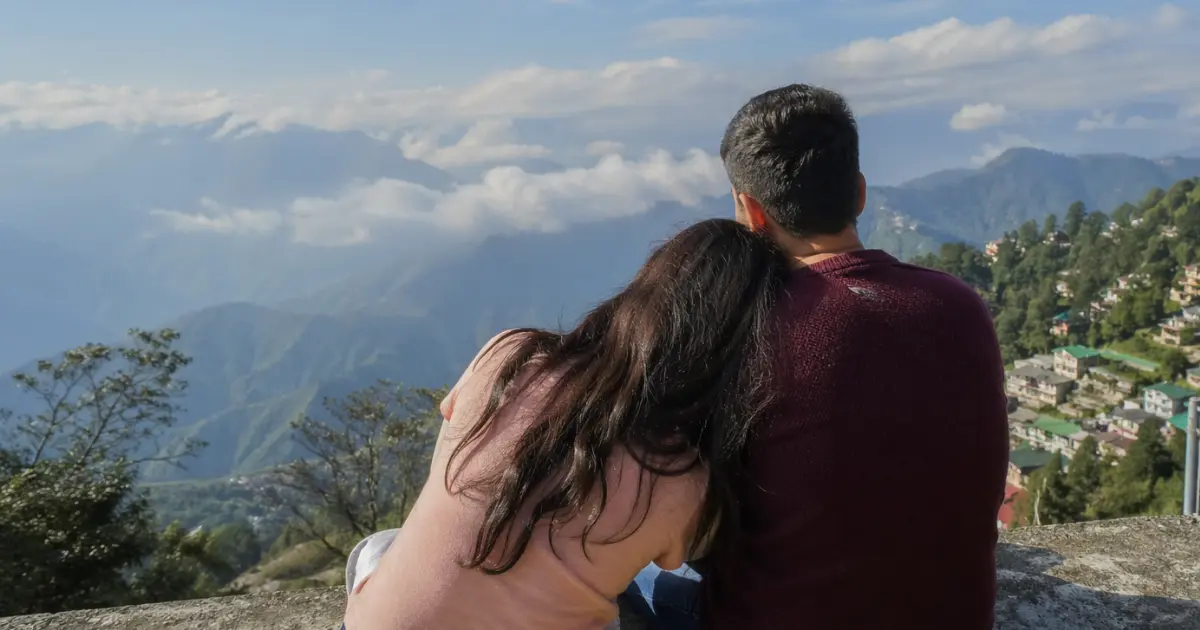
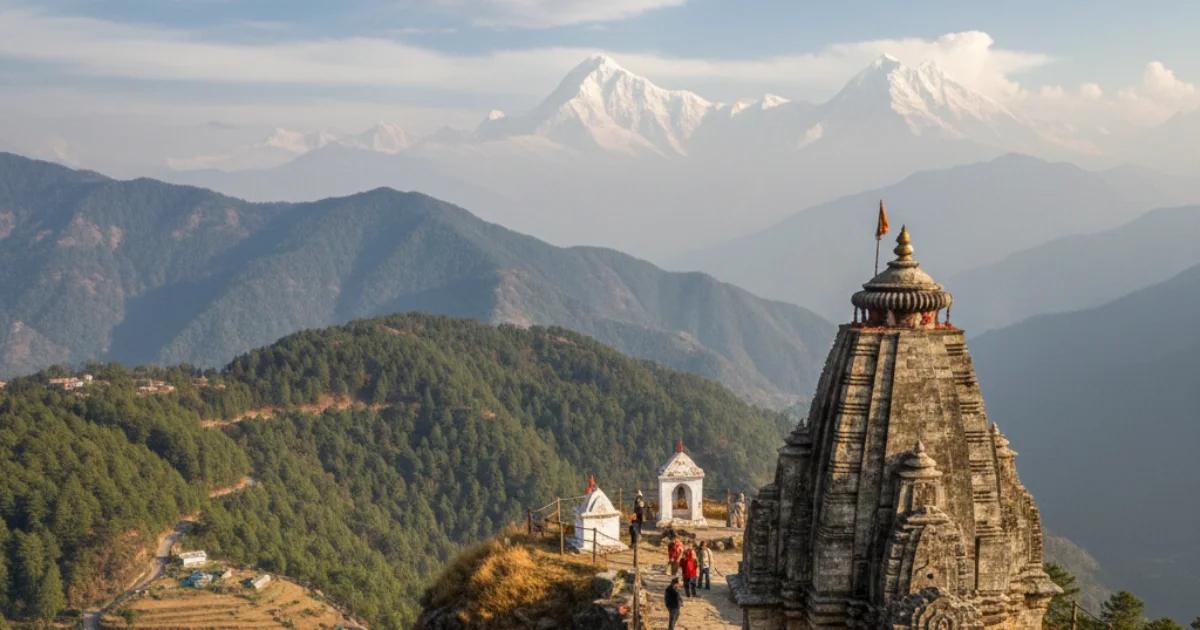
Mukteshwar is a hidden gem that offers you overwhelmingly wonderful attractions of nature, mountains, forests, treks, and the local ecosystem in the region. The mountain views feel wider. The pace feels slower. And the experience feels more personal compared to crowded hill stations built around constant activity. If you want a trip that feels calm, scenic, and genuinely refreshing, Mukteshwar is one of the most rewarding places. It works well as a long weekend trip for city dwellers of Delhi, Gurgaon, and Noida.
Mukteshwar offers adventure activities without feeling overcrowded. It has a unique aura of short forest treks, rock climbing and rappelling, nature walks, camping, and scenic drives. Places like Chauli Ki Jali are especially popular for cliff views and outdoor activities. The drive is scenic once you enter the hills, and the destination feels far enough from city noise without requiring an extremely difficult journey. The natural setting feels less polished and more authentic, which many travelers now prefer.
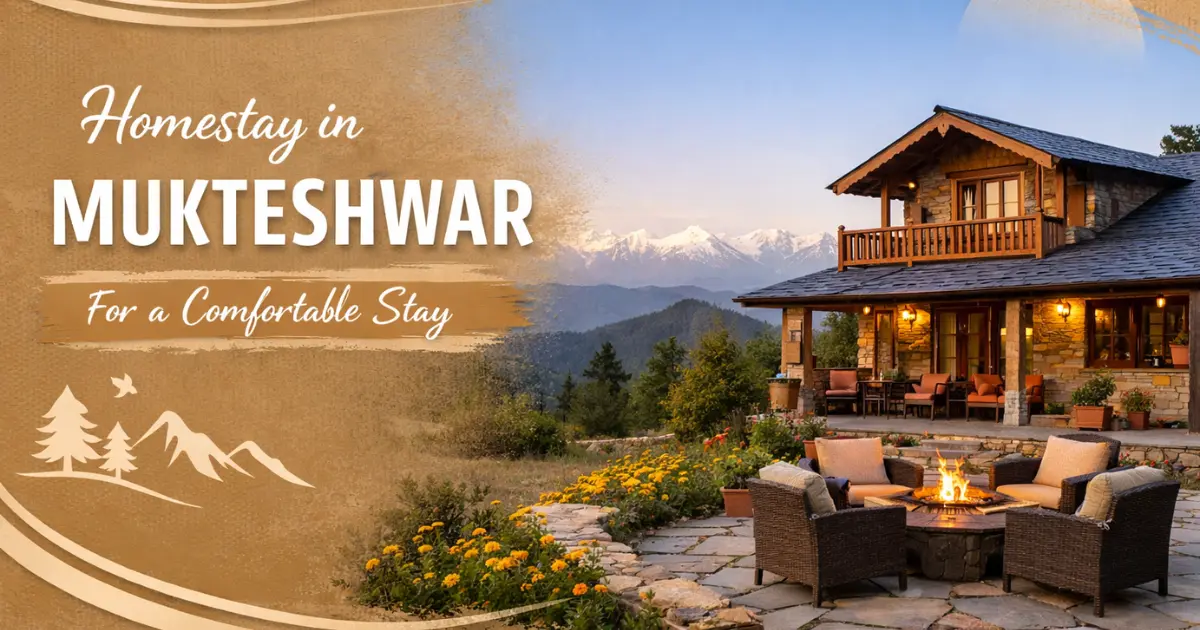
Most importantly, you can book one of the best homestays in Mukteshwar to make your stay comfortable and convenient when you are in the region. Homestays in Mukteshwar make the experience more personal. Unlike standard hotels, many homestays here are built around the landscape itself. Large balconies, open terraces, wooden interiors, orchard views, and quiet mountain surroundings make the stay feel far more immersive. You don’t just visit the mountains here; you live around them.
For couples, families, remote workers, or anyone looking for a peaceful mountain escape, a good homestay often becomes the highlight of the trip itself. And they are easily available here.
There’s no single “best” time for Uttarakhand. It depends on what your family enjoys and what you’re willing to handle.
This is the easy win. During this time, the weather is comfortable, the days are clear, and the best time of the year. Rhododendrons start blooming higher up, adding color without trying too hard. The temperatures are comfortable. Jim Corbett National Park is fully open. And since school holidays haven’t kicked in yet, crowds stay reasonable. If you want a smooth, no-surprises trip, this is it.
Peak season changes the pace. You feel it the moment you arrive. Hill stations like Nainital and Mussoorie fill up fast. Hotels, taxis, even simple activities, everything gets booked out early. So it is highly recommended that you plan. Three to four months is not overkill here. It’s necessary. Start your days early. Leave before the rush builds. Finish key spots before the crowds catch up. It makes the whole trip feel smoother. If you’re choosing destinations, go higher. Places like Auli handle the season better. Skip the valley towns if you can. They get warmer, busier, and a bit tiring by afternoon.
Monsoon is not an easy season. You don’t come here for predictability. In Uttarakhand, roads can shut without much notice. Landslides aren’t rare; they’re part of the reality. So in such conditions, plans can shift, and timelines stretch. You need a bit of patience. But when you step into the landscape, everything changes. The forests turn a deep, almost unreal green. Waterfalls appear where there were none before. Places like Sattal feel quieter, richer, more alive. If you are a family who don’t mind a little uncertainty, this season has its own kind of magic.
This is the season locals quietly wait for. No noise, no rush, just clarity. In Uttarakhand, the skies open up after the rains. Everything feels freshly washed. Light turns soft and golden. The air is crisp without being cold. And the mountain views? As clear as they get. Places like Chopta and Auli look their absolute best. You can enjoy wide views, clean horizons, and no haze getting in the way. It’s also when Jim Corbett National Park opens again in October. Wildlife slowly comes back into the plan. Just balance, and a version of the hills that feels complete.
Winter is quiet, a little sharp, and surprisingly rewarding. Not for everyone. But for the right family, it clicks. Auli turns into a ski town. You get clean slopes, open views, and just enough activity to keep it exciting without feeling chaotic. Mussoorie gets those occasional snowfall days. It is not guaranteed, but when it happens, it changes the whole mood. Down in the valleys, it’s a different story. Haridwar and Rishikesh stay mild. You come across fewer crowds and enjoy an easier pace. You can actually enjoy the place without rushing. Just don’t underestimate the cold. Mornings bite and nights drop fast. You have to carry layers with you.
The trips that stay with you are usually the simpler ones. Not the ones packed with checklists. In Uttarakhand, families who try to see everything often leave with less. Too much moving around. Too little time to settle in. The ones who get it right do the opposite. They slow down. Choose one place to spend unhurried days and give enough time for the surroundings to stop feeling new, and start feeling familiar. That’s when the mountains begin to make sense. Pick your altitude based on comfort, not trends. Carry a warm layer, even if it’s summer. You’ll need it. And keep your mornings open. Do not make tight plans or rush out the door. That’s when Uttarakhand feels most like itself and you enjoy the best places to be with your family.